Funding year
4Apr 2025 – Jun 2029

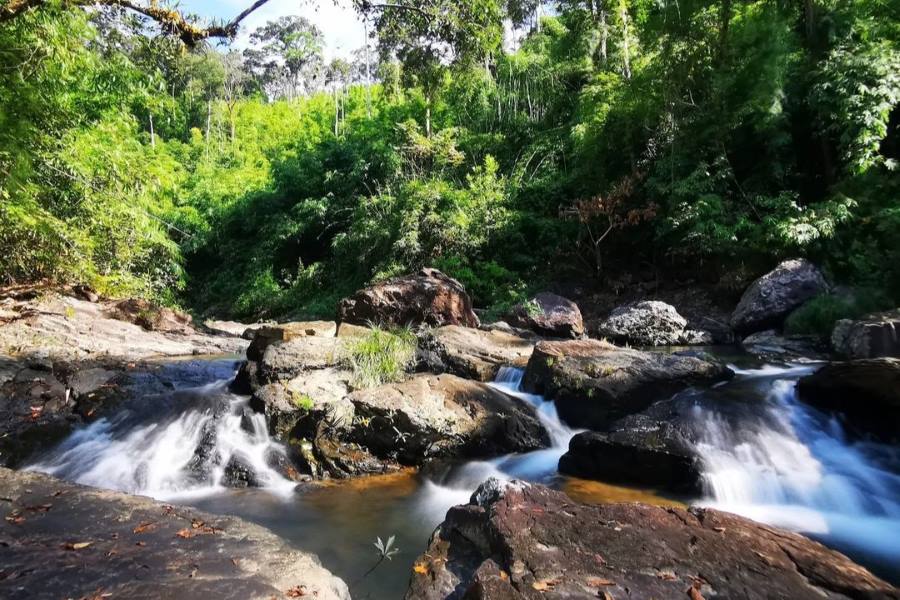
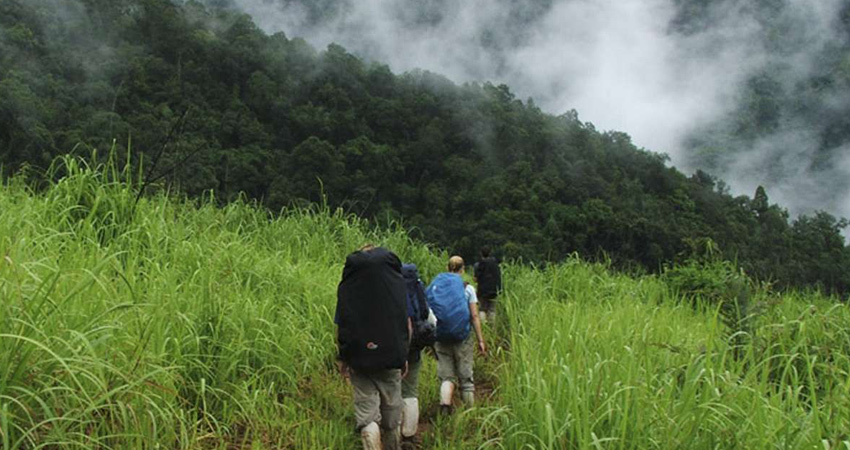
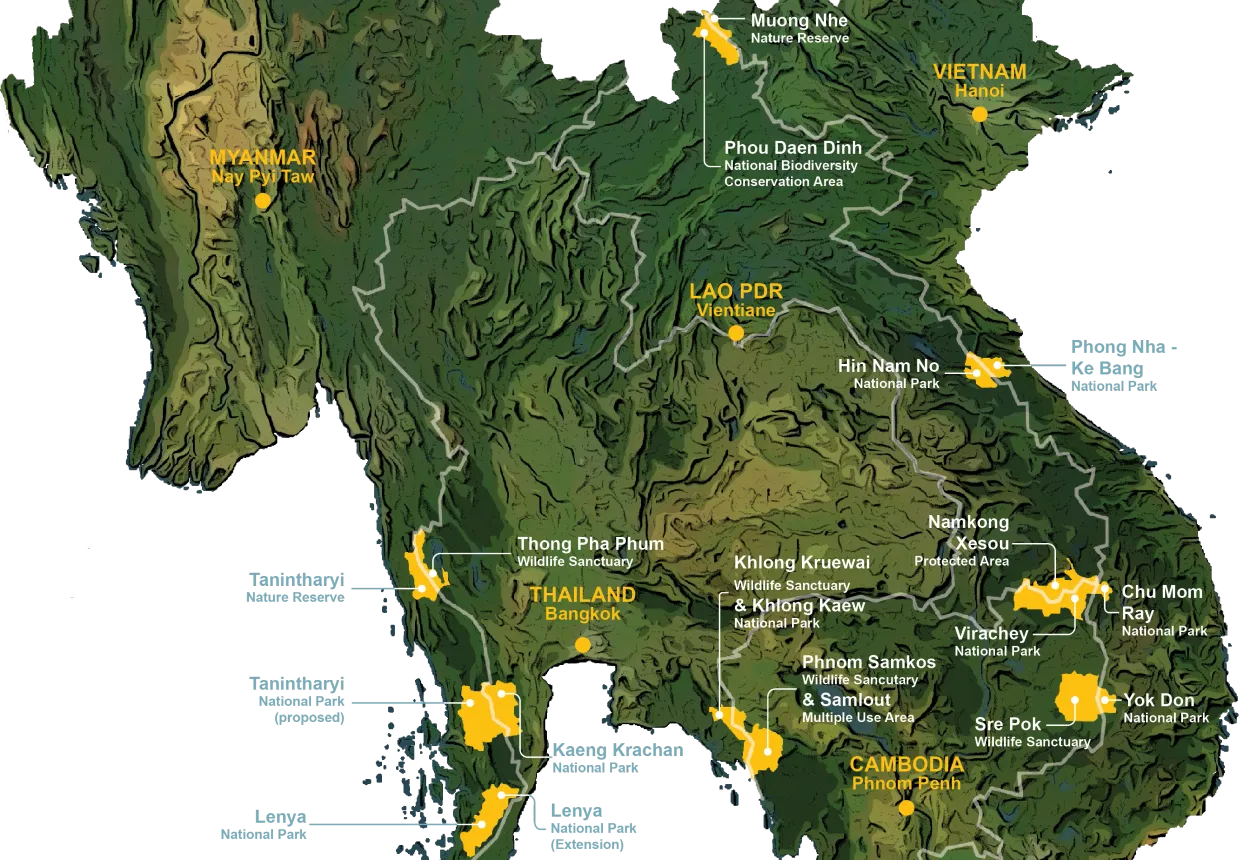
PAD’s goal is to halt and reverse biodiversity loss in the Mekong region, while building climate resilience and improving livelihoods. PAD III is funded by Australia (DFAT) under the Mekong–Australia Partnership.
Apr 2025 – Jun 2029
million AUD
National biodiversity landscapes
Cambodia, Lao PDR, Myanmar, Thailand, Vietnam
Protect native plants, keep nature healthy, support clean air and water, improve daily life, and care for the environment today for a better tomorrow.
Protect and restore habitats, wildlife, and ecosystems across the Mekong Region.
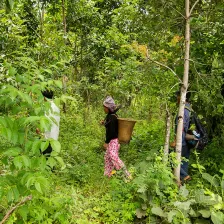
Promote nature-based income and community stewardship near protected areas.
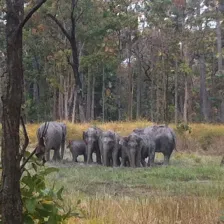
Enhance regional cooperation across shared ecosystems and biodiversity landscapes.
To support a regional and government-led approach to conserving biodiversity, strengthening climate resilience, and improving livelihoods across the Mekong Region. By working across protected areas, transboundary landscapes, and national boundaries, the program promotes sustainable development through the effective conservation of natural capital.
PROJECT CATEGORIES
Regional: Assess biodiversity and climate change, share lessons across Mekong countries, and develop a web based decision support system.
National: Produce report on biodiversity restoration and climate change, workshops and knowledge products to inform national and sectoral policies and practices.
TBLs: Prepare case studies for seven transboundary landscapes to guide inclusive and sustainable management.
Site: Implement pilot projects focused on community restoration, livelihoods, green finance, and nature based solutions.
Strengthen regional, national and local capacities to sustainably manage biodiversity and ecosystem services in trans-boundary biodiversity landscapes.
Promote nature-based solutions and climate smart land use through tools, training, and demonstrations.
Increase the visibility and uptake of inclusive governance models, particularly in protected area management.
Facilitate cross-border partnerships, joint proposals, and knowledge exchange.
Amplify the voices of women, indigenous peoples, and vulnerable communities in climate resilience planning.